5 Photos Every Makeup Artist Needs on Their Portfolio to Build Instant Trust
Learn from top-earning makeup artists who consistently book premium clients what five specific photo types appear in every single high-converting portfolio.
Molly Shelestak
Author

Your portfolio has 3 seconds to prove you're worth $300+ per session. A lot of portfolios get crowded with random selfies, heavy filters, and whatever looked "pretty" that day.
Here's the uncomfortable truth: potential clients aren't scrolling through your work to be entertained. They're hunting for proof you can deliver exactly what they need for their wedding, photoshoot, or event. Make that proof obvious fast, and they'll book with confidence.
After analyzing portfolios from top-earning makeup artists who consistently book premium clients, five specific photo types appear in every single high-converting portfolio. These aren't just pretty pictures: they're strategic trust-builders that answer your client's biggest fears before they even ask.
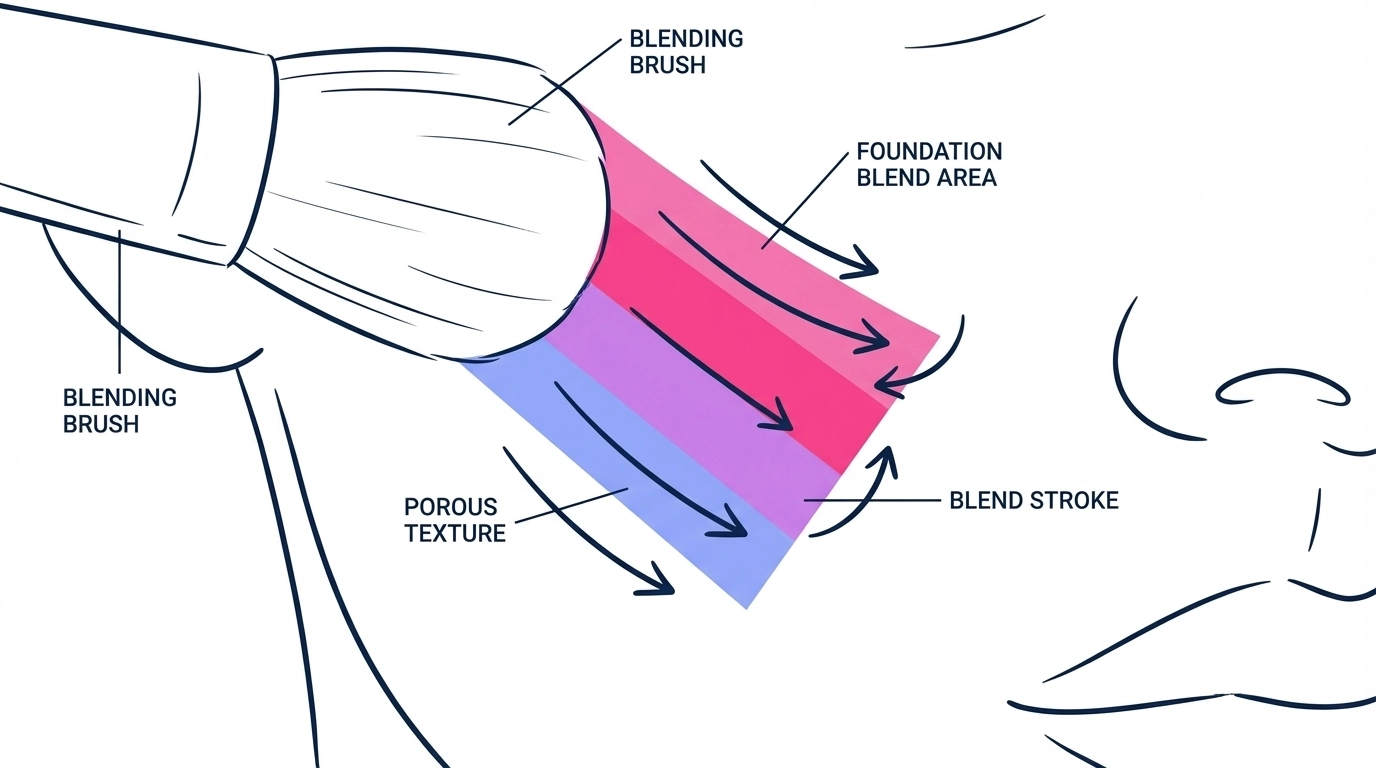
1. The Clear Skin Texture Shot
What it is: A close-up macro shot showcasing flawless skin texture: no filters, no heavy editing, just pure technical skill.
This photo does the heavy lifting your testimonials can't. When a bride sees skin that looks naturally perfect, with visible pores that somehow look refined rather than hidden, she knows you understand the difference between Instagram makeup and real-life beauty.
Why it builds instant trust:
- Proves you can work with real skin, not just ring lights and filters
- Shows mastery of color matching and blending techniques
- Demonstrates that your work photographs beautifully in natural lighting
- Gives clients confidence their skin will look naturally enhanced, not caked
Technical requirements: Natural lighting or professional studio setup, macro lens capability, zero skin smoothing filters. The goal is to show skin so well-prepped and color-matched that it looks impossibly smooth while still being obviously real.
Your clear skin texture shot should make viewers think, "How did she make skin look that good?" not "That's obviously filtered."
2. The Detail Close-Up
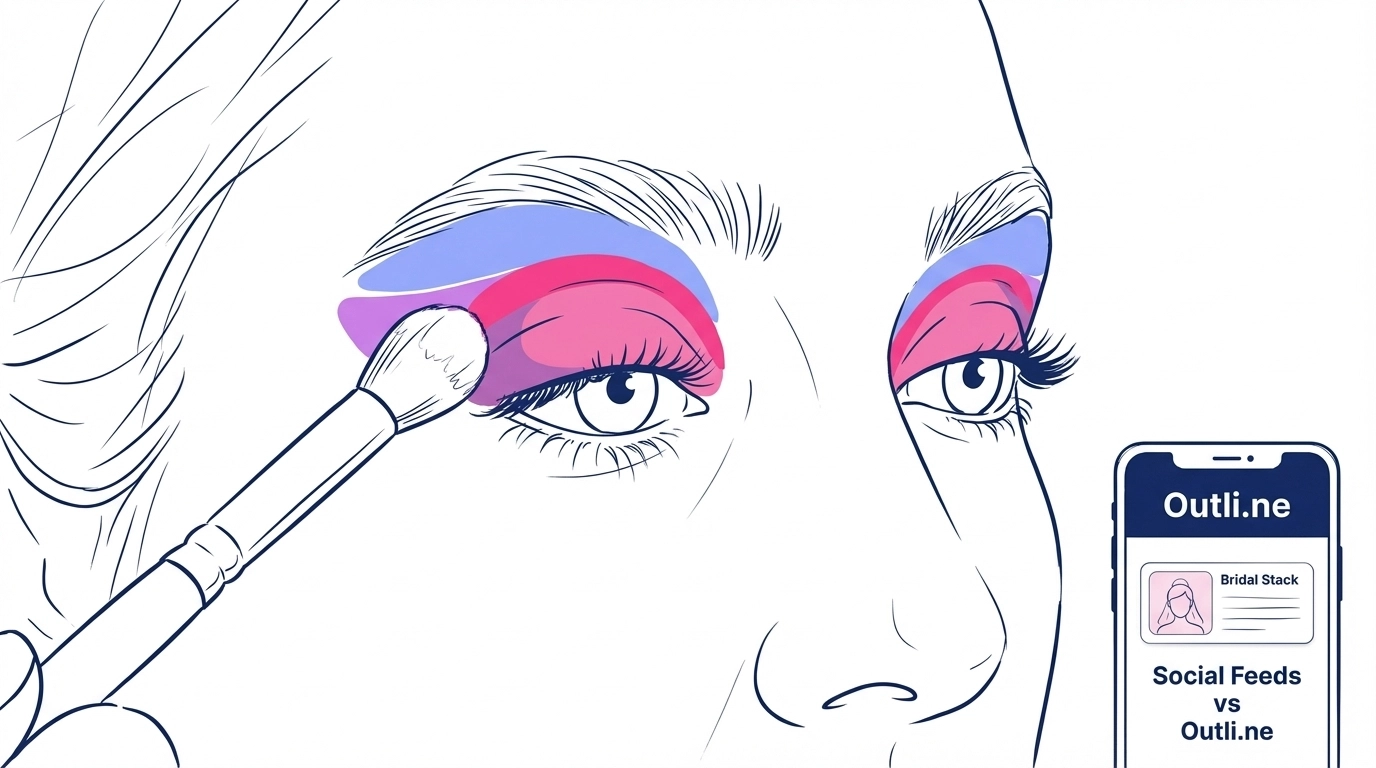
What it is: An extreme close-up focusing on one specific element: eyes, lips, or brow work: that showcases precision and artistic skill.
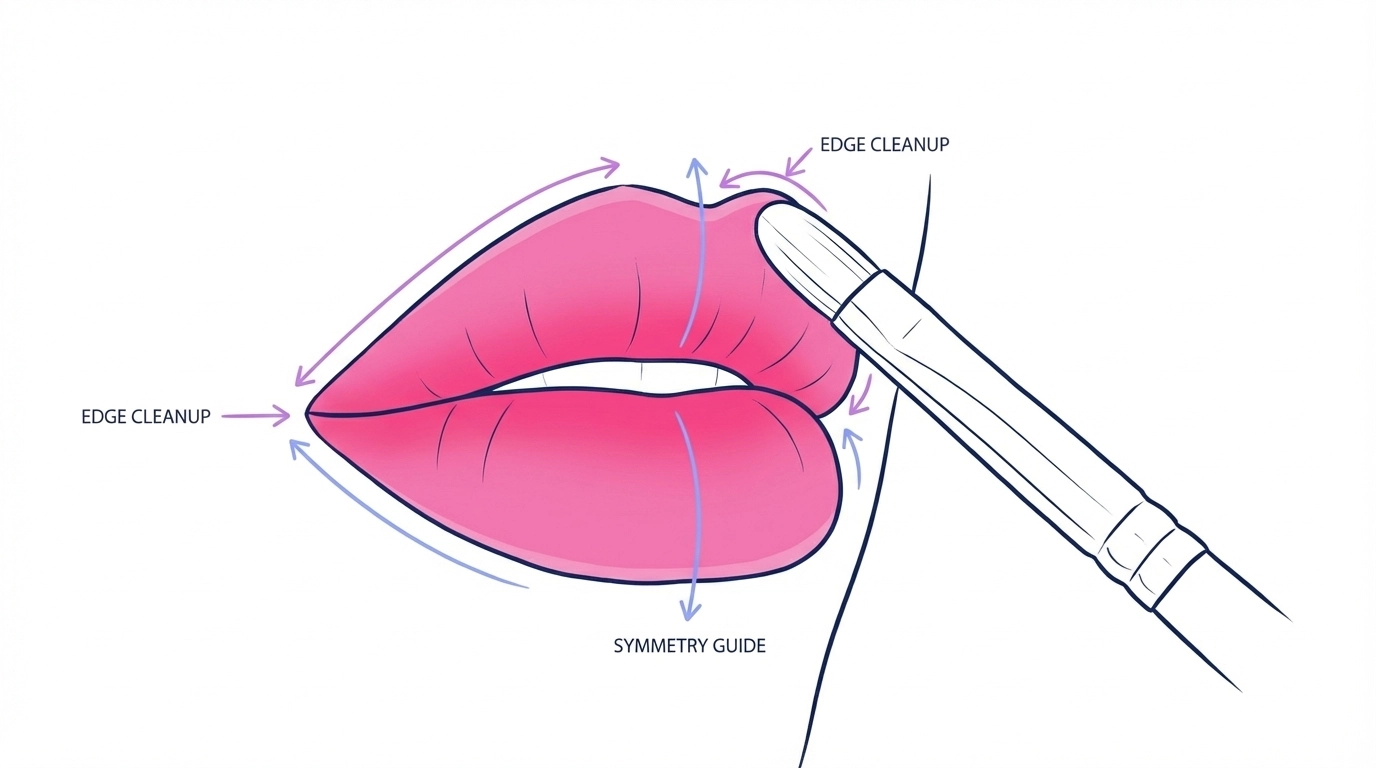
This is where you signal your professional edge. Professional makeup artists understand that the details make or break a look. A perfectly blended cut crease, razor-sharp winged eyeliner, or seamlessly gradient ombré lips prove you have the steady hands and technical knowledge clients are paying for.
Trust-building elements:
- Precision: Clean lines, perfect symmetry, expert blending
- Color theory: Sophisticated color combinations that complement skin tone
- Longevity: Makeup that looks fresh and intact, not smudged or faded
- Artistry: Creative techniques that show innovation within professional standards
Pro tip: Include shots of both eyes in this close-up category. Symmetry and consistency build instant credibility. Clients need to see that you can replicate perfection consistently.
3. The Bridal Transformation
What it is: A full bridal look that demonstrates your ability to create timeless, photograph-ready beauty for the most important day in someone's life.
Bridal work is the bread and butter of successful makeup artists, and this single photo needs to communicate that you understand the unique pressures of wedding makeup. Brides need to look like themselves, just elevated. The makeup needs to last 12+ hours, photograph beautifully in various lighting, and complement the dress, venue, and overall wedding aesthetic.
Essential elements to showcase:
- Longevity-focused techniques: Primer, setting spray, transfer-resistant products
- Photography-ready application: Proper contouring for camera angles
- Classic elegance: Timeless beauty that won't look dated in 20 years
- Skin perfection: Flawless base that can handle tears, kisses, and long days
The psychology behind it: When potential brides see your bridal work, they're not just evaluating your technical skills: they're imagining themselves in that chair, trusting you with the most photographed day of their lives. Your bridal shot needs to radiate calm confidence and romantic perfection.
4. The Editorial/Glam Transformation
What it is: A high-fashion, editorial-style look that pushes creative boundaries while maintaining wearable sophistication.
This photo proves you can think beyond basic beauty and create looks that stop people in their tracks. Editorial work demonstrates artistic vision, trend awareness, and the technical skill to execute complex color stories and dramatic techniques.
What this accomplishes:
- Versatility proof: Shows you're not limited to natural looks
- Trend awareness: Demonstrates you understand current beauty movements
- Artistic credibility: Proves you can conceptualize and execute creative visions
- Premium positioning: Associates your work with high-end fashion and beauty
Client psychology: Even if a client never wants full editorial glam, seeing this level of artistry makes them confident you can handle their "natural makeup with just a little drama" request with ease. It's the portfolio equivalent of a designer showing couture: it elevates everything else you do.
Your editorial shot should make people stop scrolling and think, "I need to know who did this makeup."
5. The Process Shot
What it is: A behind-the-scenes image showing you actively working on a client, demonstrating your professional setup, hygiene standards, and client interaction style.
This is your credibility insurance policy. Process shots show you working with real clients in professional settings—clear, confident, and trustworthy.
Trust indicators to include:
- Professional setup: Clean workspace, organized kit, proper lighting
- Hygiene standards: Sanitized brushes, disposable applicators, clean hands
- Client comfort: Relaxed client positioning, professional draping
- Equipment quality: High-end brushes and products visible in background
The subliminal message: This photo tells potential clients, "I'm not just someone who does good makeup: I'm a professional who takes this seriously as a business."
Why These 5 Photos Convert Browsers into Bookings
Each photo type addresses a specific client fear:
| Client Fear | Photo Solution |
|---|---|
| "Will my skin look cakey or unnatural?" | Clear Skin Texture Shot |
| "Can she handle complex techniques?" | Detail Close-Up |
| "Will I look like myself on my wedding day?" | Bridal Transformation |
| "Is she creative enough for my vision?" | Editorial/Glam Shot |
| "Is she actually professional?" | Process Shot |
The portfolio psychology: When someone lands on your portfolio, they're not leisurely browsing: they're rapidly scanning for evidence that you can deliver what they need. These five photo types create what psychologists call "pattern completion": your viewer's brain automatically fills in the gaps and assumes competence across all areas.
Common Portfolio Mistakes That Kill Bookings
Mistake #1: Using only your own face as a model. Clients need to see you can work with different skin tones, ages, and face shapes.
Mistake #2: Over-filtering or heavily editing photos. Clients need to see realistic results they can expect in person.
Mistake #3: Including only one style of makeup. Versatility builds trust and opens booking opportunities.
Mistake #4: Using poor lighting or phone camera quality. Professional work requires professional presentation.
The bottom line: Your portfolio isn't a collection of your favorite photos: it's a strategic sales tool designed to eliminate objections and build confidence in your abilities.
When potential clients see these five photo types executed flawlessly, they stop shopping around and start asking about your availability. Because you've just answered every question they had about whether you're worth their investment.
Ready to build a portfolio that actually converts? Start showcasing your work professionally and watch how the right presentation transforms browsers into paying clients.
Ready to Transform Your Online Presence?
Join thousands of creative professionals who've switched to Outli.ne and started booking more clients.
Get Started FreeEnjoyed this article?
Share it with others who might find it helpful
More in Personal Branding

Your Online Profile Is Your Brand
Turn visitors into clients with a high-converting Outli.ne profile. Whether you’re a creator, coach, small business owner, or model, people are Googling you

Your Profile Is Making You Look Cheap
Two freelancers, same skills: one charges $500, another $5,000. The difference? Profile psychology. Learn the 5 signals keeping your prices low and healthy.